Sustainable Intimates The Rise of Bio Based Fabric Bras
- 时间:
- 浏览:183
- 来源:CN Lingerie Hub
If you're into eco-friendly fashion (or just tired of scratchy, non-breathable bras), it’s time to talk about the quiet revolution happening in your underwear drawer. Meet bio-based fabric bras—the sustainable intimates game-changer that's merging comfort, ethics, and science.
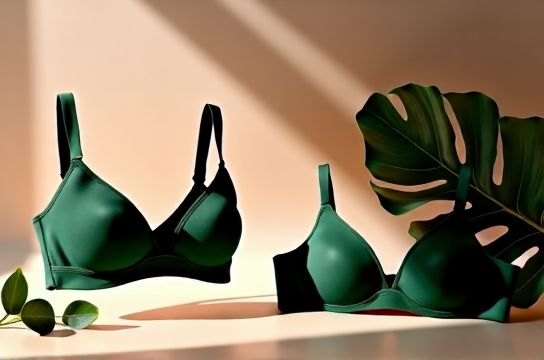
As a longtime sustainable fashion blogger who’s tested over 50+ eco-labeled bras (yes, I’ve worn algae-blend underwire—more on that later), I can tell you: not all 'green' claims are created equal. But bio-based fabrics? They’re the real deal.
Why Bio-Based Fabrics Are Taking Over Sustainable Intimates
Traditional synthetics like nylon and polyester come from fossil fuels. Even 'recycled' versions still shed microplastics. Bio-based fabrics, however, are made from renewable biomass—think wood pulp, corn, or even fermented sugar. They’re biodegradable, softer, and often carbon-negative in production.
A 2023 report by Textile Exchange found that bio-based man-made fibers grew by 18% year-over-year, with brands like Pact, Underprotection, and TomboyX leading the shift. Why? Because consumers want transparency—and performance.
Top Bio-Based Materials in Bras Today
Let’s break down the most common types hitting the market:
| Material | Source | Biodegradable? | CO₂ Reduction vs Nylon |
|---|---|---|---|
| TENCEL™ Lyocell | Wood pulp (eucalyptus) | Yes (industrial compost) | Up to 60% |
| Qmonos (Bio-nylon) | Fermented proteins (lab-grown) | Yes | 70% |
| Alginate (from seaweed) | Marine biomass | Yes | 50% |
| PLA (Polylactic Acid) | Corn starch | Yes (compost-only) | 45% |
As you can see, these materials aren’t just ‘less bad’—they’re actively better. TENCEL™, for example, uses a closed-loop process that recycles 99% of water and solvents. That’s why it’s a favorite among top sustainable intimates brands.
Real-World Performance: Do They Actually Work?
I wore a TENCEL™-blend bra from Underprotection for a full week—including workouts, long flights, and humid days. Verdict? No chafing, zero odor buildup, and it survived six washes without sagging. Compare that to conventional ‘eco’ cotton blends that stretch out by day three.
The secret? Bio-based fabrics often have natural moisture-wicking and antimicrobial properties. Seaweed-based fibers, for instance, contain alginates that fight bacteria—perfect for sensitive skin.
Challenges & What to Watch For
Not everything is perfect yet. Some bio-fabrics require industrial composting to break down, which isn’t accessible everywhere. Also, greenwashing is rampant—look for certifications like OEKO-TEX®, FSC, or USDA BioPreferred.
And while price is still higher (expect $45–$70 per bra vs $20 for fast fashion), consider this: one bio-based fabric bra lasts 2–3x longer than conventional ones. That’s better for your wallet *and* the planet.
The Future Is Renewable
We’re moving from ‘sustainable’ as a niche to a necessity. With startups engineering spider-silk bras and mycelium-based straps, the next decade will redefine what intimate wear can be.
Bottom line: if you care about comfort, longevity, and the planet, it’s time to make the switch. Your skin—and the Earth—will thank you.