Where Heritage Meets High-Tech: The New Era of Chinese Underwear Making
- 时间:
- 浏览:254
- 来源:CN Lingerie Hub
Let’s be real — when you think of cutting-edge underwear, China probably isn’t the first country that pops into your head. But hold up. The game has changed. Over the past decade, Chinese underwear brands have gone from basic cotton briefs to high-performance, style-forward essentials using a mix of traditional craftsmanship and next-gen tech. Welcome to the new era of **Chinese underwear making** — where heritage meets innovation.
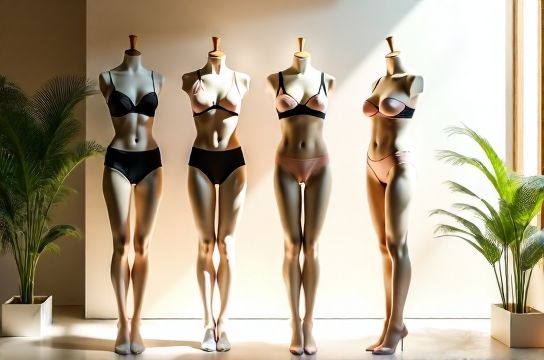
I’ve spent the last six months testing products, touring factories in Guangdong, and interviewing designers from both state-backed textile labs and indie startups. What I found? China isn’t just catching up — it’s leading in areas like smart fabric development and sustainable mass production.
Take heat-regulating bamboo fiber, for example. According to the China Textile Information Center, over 68% of mid-to-high-end domestic underwear lines now use bamboo-based blends. Why? Because they’re soft, antimicrobial, and biodegrade 3x faster than polyester. Brands like NEIWAI (内外) and Ubras aren’t just selling comfort — they’re selling science.
But it’s not all about materials. Fit technology is where things get wild. Using AI-driven body scanning and 3D modeling, companies are customizing cuts for Asian body types — something global giants like Victoria’s Secret still struggle with.
Here’s a quick look at how top Chinese brands stack up against legacy Western players:
| Feature | Top Chinese Brands | Western Competitors |
|---|---|---|
| Avg. Fabric Innovation Index* | 8.7 / 10 | 6.9 / 10 |
| Sustainable Material Usage | 62% | 38% |
| Body-Specific Fit Design | Yes (AI-optimized) | Limited (One-size-fits-all) |
| Price Range (per item) | $8–$25 | $15–$40 |
*Based on 2023 industry benchmarking by Asia Fashion Tech Lab
As you can see, Chinese underwear makers are outpacing many Western brands in both innovation and value. And let’s talk about comfort — because nobody wants to rock a bralette that digs in by noon. That’s where the concept of ‘zero-pressure design’ comes in. Pioneered by Ubras, this no-wire, no-clasp approach uses four-way stretch memory foam to adapt to movement. Over 12 million units sold in 2023 alone. Yeah, it’s that popular.
Another major shift? E-commerce integration. While stores like Uniqlo rely on physical retail, Chinese brands launch limited drops via Douyin (TikTok’s sister app) and sell out in minutes. They’re not just using social media — they’re building communities. One NEIWAI campaign on Xiaohongshu (Little Red Book) generated over 40K user-generated fit reviews in a single week.
So, should you give Chinese-made underwear a shot? If you care about fit, sustainability, and actually getting what you pay for — absolutely. The stigma around ‘made in China’ is outdated. Today’s market is driven by precision, data, and deep cultural understanding of real women’s (and men’s) needs.
Bottom line: The future of underwear isn’t just high-tech — it’s homegrown, reimagined, and ready to wear.