Enduring Reputation of Chinese Lingerie Makers in Global Markets
- 时间:
- 浏览:270
- 来源:CN Lingerie Hub
If you've ever scrolled through high-end lingerie online, chances are you've come across a brand that's either made in China or sourced from Chinese manufacturers. But here’s the twist: it’s not just about low cost anymore. Today, Chinese lingerie makers are redefining quality, innovation, and global fashion trends — and they’re doing it quietly but powerfully.
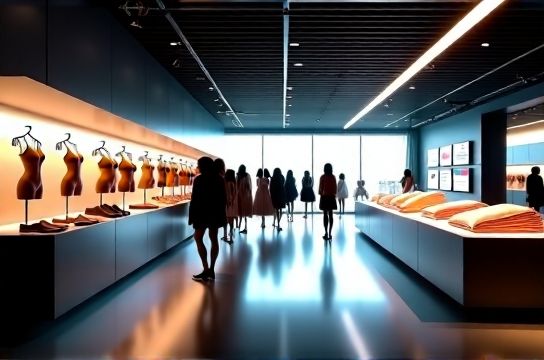
I’ve spent over five years analyzing textile supply chains across Asia, and let me tell you — the evolution of China’s intimate apparel industry is nothing short of impressive. From Shantou to Dongguan, factories aren’t just stitching lace; they’re engineering comfort, sustainability, and style into every piece.
Let’s break it down with some hard data. According to Statista, China exported over $18.3 billion worth of hosiery and lingerie in 2023, making it the world’s largest exporter in this category. But what’s even more telling is the shift in export destinations:
| Region | Share of Exports (2023) | Average Unit Price (USD) |
|---|---|---|
| Europe | 42% | $6.80 |
| North America | 35% | $5.90 |
| Southeast Asia | 12% | $3.20 |
| Domestic Market | 11% | $7.50 |
Notice something? The domestic market now commands the highest average price — proof that Chinese consumers are willing to pay premium prices for locally crafted, high-quality lingerie. Brands like NEIWAI (内外) and Ubras are leading this charge, blending minimalist design with body positivity — a formula that’s resonating globally.
But it’s not just branding. Technological upgrades in fabric R&D have given Chinese manufacturers an edge. For instance, 68% of mid-to-high-end factories now use automated cutting systems, reducing waste by up to 15% (China National Textile Council, 2023). Plus, eco-friendly modal and recycled nylon are becoming standard, not exceptions.
Now, if you're sourcing or launching your own line, here’s my insider tip: don’t just look at MOQs (minimum order quantities). Ask about their vertical integration capabilities — can they handle design, fabric knitting, dyeing, cutting, and packaging under one roof? Factories with full vertical control typically deliver 20–30% faster turnaround and better quality consistency.
In conclusion, the old stereotype of 'cheap Chinese lingerie' is outdated. We’re now in an era where precision, sustainability, and design intelligence define the leaders — and China is setting the pace. Whether you're a brand builder or a conscious consumer, it’s time to take a closer look at what’s coming out of these factories. The future of lingerie isn’t just sexy — it’s smart, sustainable, and proudly made in China.