Chinese Lingerie Evolution from Tradition to Trend
- 时间:
- 浏览:150
- 来源:CN Lingerie Hub
Once hidden beneath layers of silk and silence, Chinese lingerie has come a long way—from modest bindings to bold, body-positive statements. The journey reflects not just fashion shifts, but a cultural awakening. Let’s dive into how intimate apparel in China transformed from Confucian restraint to runway rebellion.
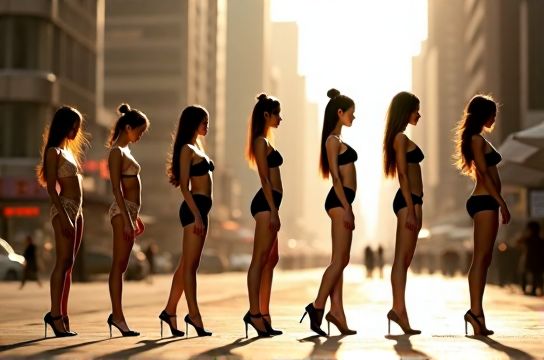
From Foot Binding to Bra Straps: A Cultural Shift
In imperial China, the idea of 'lingerie' was almost nonexistent. Women wore xiangyunsha (incense cloud gauze) underrobes—functional, never flashy. Modesty ruled. Even the infamous foot binding wasn’t about allure—it symbolized control and social status. Fast forward to the 1920s Republican era: qipaos hugged curves, and whispers of Western influence seeped in. But real change? That came decades later.
The Mao Era: Uniformity Over Underwear
Bet you didn’t know—during the Cultural Revolution, even bras were political. Functional cotton vests replaced lace. Fashion = bourgeois decadence. By 1978, only 3% of urban women owned more than one bra. Talk about repression!
Reform & Rise: The 1990s Boom
Enter economic liberalization. Foreign brands like Triumph and Victoria’s Secret eyed China’s 700 million women. By 2000, the lingerie market hit $1.2 billion. Suddenly, bras weren’t just support—they were self-expression.
| Year | Market Size (USD) | Average Bras per Woman | Key Trends |
|---|---|---|---|
| 1980 | $120 million | 0.8 | Cotton vests, minimal design |
| 1995 | $600 million | 2.1 | Push-up bras, imported fabrics |
| 2010 | $4.3 billion | 5.6 | Lace, thongs, online shopping |
| 2023 | $18.7 billion | 8.3 | Sustainable fabrics, body positivity |
Today’s Trend: Comfort Meets Culture
Gen Z isn’t buying push-ups for men—they’re buying bamboo-fiber bras for themselves. Brands like Ubras and NEIWAI (内外) champion ‘no-wire, no-pose’ mantras. NEIWAI’s 2022 campaign, “I Am Not Charming For You,” went viral—merging feminism with fabric.
Social media fuels this. On Xiaohongshu, #MyLingerieJourney has 2.1M posts. It’s raw, real, and revolutionary.
What’s Next? East-Meets-West Innovation
Chinese designers now blend tradition with tech. Think qipao-inspired babydolls with moisture-wicking fabric. Or jade-infused bra liners marketed for ‘energy flow.’ Sounds wild? Sales say otherwise.
The future is inclusive. Plus-size lines are up 65% since 2020. Gender-neutral loungewear? Also rising.
Final Thoughts
Chinese lingerie isn’t just evolving—it’s rebelling. From silenced seams to sensual self-love, every stitch tells a story of liberation. Whether it’s a $5 cotton bra or a $200 embroidered set, what matters is choice. And honey, China’s finally choosing itself.