The Intersection of Fashion and Identity in Chinese Lingerie
- 时间:
- 浏览:232
- 来源:CN Lingerie Hub
In the ever-evolving world of fashion, few garments carry as much cultural weight—and personal meaning—as lingerie. In China, lingerie is no longer just about function; it’s a bold statement of identity, empowerment, and self-expression. From traditional qipao-inspired designs to avant-garde silk bodysuits dripping with symbolism, Chinese lingerie has transformed into a canvas where tradition meets modernity.
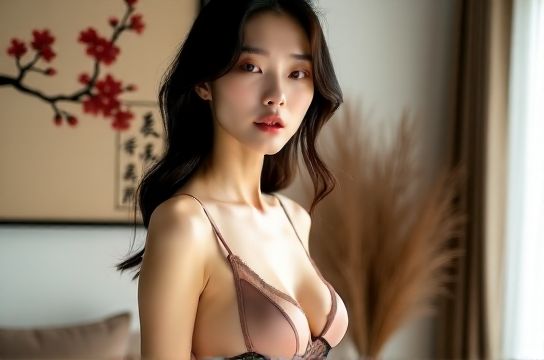
Once seen as taboo, intimate apparel in China has undergone a quiet revolution. According to a 2023 report by Statista, the Chinese lingerie market is projected to reach $18.7 billion by 2026, growing at a CAGR of 9.4%. This surge isn’t just economic—it’s cultural. Women are reclaiming their narratives, and lingerie is at the heart of that shift.
Brands like NEIWAI (内外) and Ubras are leading the charge. NEIWAI, founded in 2012, built its brand on the slogan “Real, not perfect,” promoting body positivity and emotional wellness. Their 2022 campaign featuring unretouched models of all sizes went viral, amassing over 50 million views on social media. Ubras, known for its wire-free bras, reported a 120% year-on-year increase in sales after launching gender-neutral loungewear—proof that inclusivity sells.
Why Chinese Lingerie Tells a Deeper Story
Lingerie here isn’t just fabric—it’s identity woven into lace. Red, long associated with luck and passion in Chinese culture, dominates bridal sets. Jade embellishments nod to ancestral protection, while floral embroidery echoes classical poetry. But today’s designers are reimagining these symbols. Take Shanghai-based label Misefine: their 2023 collection fused Suzhou embroidery with mesh panels, blending heritage craftsmanship with contemporary sensuality.
This duality reflects a broader societal shift. A 2021 survey by Tencent found that 68% of urban Chinese women aged 18–35 view lingerie as a form of self-care, not just seduction. They’re buying pieces that feel authentic—not just sexy.
A Glimpse at Market Trends (2020–2025)
| Year | Market Size (USD Billion) | Key Trend |
|---|---|---|
| 2020 | 11.2 | Rise of comfort-focused wear |
| 2021 | 12.6 | Body positivity campaigns |
| 2022 | 14.1 | Sustainable materials adoption |
| 2023 | 15.8 | Gender-fluid designs emerge |
| 2025 (proj.) | 17.9 | Tech-integrated smart lingerie |
The rise of e-commerce has also played a pivotal role. Platforms like Xiaohongshu (Little Red Book) have become digital runways, where influencers share unfiltered reviews and styling tips. Hashtags like #MyLingerieStory have millions of posts—each one a personal manifesto.
Yet challenges remain. Despite progress, conservative attitudes linger in rural areas. And fast-fashion knockoffs still threaten ethical brands. But the momentum is undeniable: Chinese lingerie is no longer whispering—it’s speaking loud and clear.
So next time you slip into a delicate piece of silk or embrace the comfort of a seamless bralette, remember: you’re not just wearing clothes. You’re wearing change.