Quality Control Standards in Chinese Lingerie Factories
- 时间:
- 浏览:197
- 来源:CN Lingerie Hub
If you're sourcing lingerie from China—or even just curious about how your favorite lace bra made its way into your drawer—you’ve probably wondered: How do Chinese factories ensure quality? Spoiler: it’s not magic. It’s meticulous process, strict standards, and a whole lot of behind-the-scenes checks. Let’s pull back the curtain on the real deal.
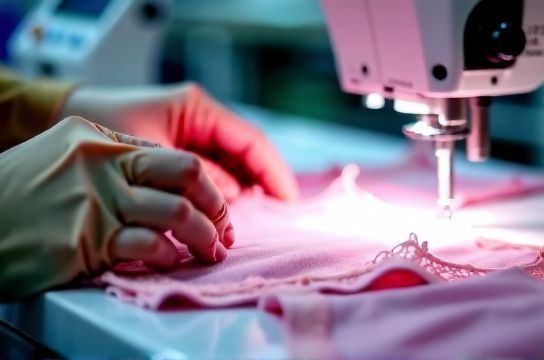
The Backbone of Quality: What Standards Rule the Game?
Chinese lingerie factories don’t fly by the seat of their pants. Most follow internationally recognized benchmarks to stay competitive. The big players? ISO 9001 for quality management, OEKO-TEX® Standard 100 (which ensures fabrics are free from harmful substances), and sometimes even BSCI or WRAP certifications for ethical production.
But here’s the kicker: compliance isn’t universal. High-end manufacturers? They’re all over it. Budget-focused shops? Maybe not so much. That’s why knowing your supplier matters more than ever.
Step-by-Step: How Quality Control Actually Works
Think of QC as a relay race—every stage passes the baton to the next, with someone checking the handoff. Here's how it typically unfolds:
- Fabric Inspection: Before a single thread is cut, materials are tested for colorfastness, shrinkage, and chemical safety.
- Pattern & Fit Approval: Samples go through multiple rounds. A fit model wears prototypes; adjustments are made until it’s just right.
- In-Line Inspections: During production, supervisors audit the floor—checking stitching, elastic tension, and hook alignment.
- Final Random Inspection: Typically, AQL (Acceptable Quality Level) sampling is used. For premium brands, it’s often AQL 1.5; budget lines might accept AQL 4.0.
Wait—What’s AQL?
AQL stands for Acceptable Quality Level. It’s a statistical method used to determine if a batch passes or fails based on a random sample. Here’s a simplified breakdown:
| AQL Level | Defect Type | Max Defects Allowed (Sample Size: 200) |
|---|---|---|
| AQL 1.0 | Critical (e.g., broken clasp) | 0 |
| AQL 1.5 | Major (e.g., visible stitching flaw) | 3 |
| AQL 4.0 | Minor (e.g., loose thread) | 8 |
Translation? Top-tier lingerie brands demand tighter tolerances. One major defect in 200 pieces? That’s a red flag.
The Human Factor: Skilled Labor vs. Automation
You’d think robots make everything now—but lingerie? Still heavily hand-finished. Delicate lace, intricate embroidery, and molded cups need skilled hands. Guangdong and Fujian provinces host most of the top factories, where workers train for months before handling premium lines.
That said, automation is rising. Cutting machines use laser precision; some plants deploy AI-powered visual inspection systems to catch flaws humans might miss.
Red Flags Buyers Should Watch For
- No third-party lab testing reports
- Unwillingness to provide sample batches
- Vague answers about fabric sourcing
- No clear QC documentation
If a factory can’t show you their QC checklist or recent OEKO-TEX® certificate, run.
The Bottom Line
China’s lingerie industry isn’t one-size-fits-all. From luxury OEMs serving European brands to no-name workshops churning out fast fashion, quality varies wildly. But with the right partner—and clear QC protocols—you’re not just buying bras. You’re investing in consistency, safety, and craftsmanship.
So next time you slip on a silky set, remember: it wasn’t luck that made it flawless. It was standards, samples, and someone checking every stitch.