The Rise of Niche Lingerie Brands in China's Fashion Scene
- 时间:
- 浏览:152
- 来源:CN Lingerie Hub
In recent years, China’s fashion landscape has witnessed a quiet revolution—one stitched with silk, lace, and bold self-expression. Forget the days when lingerie meant basic cotton bras from global giants. Today, niche lingerie brands are seducing Chinese consumers with bespoke designs, body positivity, and digital-first strategies that speak directly to a new generation.
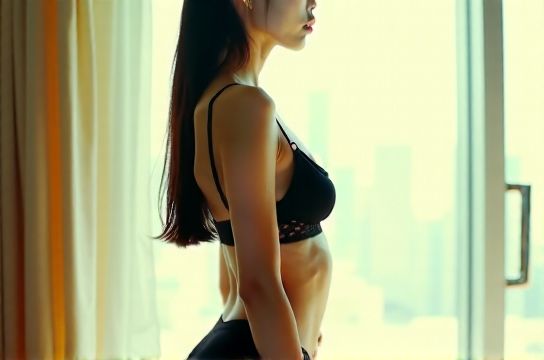
Driven by rising female empowerment, social media influence, and demand for individuality, homegrown labels like NEIWAI (内外), Ubras, and Comyns are redefining intimacy wear. These brands aren’t just selling underwear—they’re selling confidence.
The Data Behind the Hype
The numbers don’t lie. According to iiMedia Research, China’s lingerie market hit ¥176.9 billion ($24.8B) in 2023, with an annual growth rate of nearly 9.3%. What’s more? Niche, digitally native brands now account for over 35% of online lingerie sales—up from just 12% in 2019.
Here’s how key players stack up:
| Brand | Founded | 2023 Revenue (Est.) | Key Differentiator |
|---|---|---|---|
| NEIWAI | 2012 | ¥1.8B ($250M) | Gender-neutral loungewear & inclusivity campaigns |
| Ubras | 2016 | ¥2.1B ($290M) | No-wire bras; viral TikTok marketing |
| Comyns | 2017 | ¥800M ($110M) | Luxury materials & minimalist aesthetic |
Why Are They Winning?
It’s not just about fabric—it’s about philosophy. These brands tapped into cultural shifts before anyone else:
- Inclusivity: NEIWAI launched campaigns featuring real women of all sizes, ages, and skin tones. Their #NoBodyIsNobody movement went viral, boosting engagement by 200%.
- Comfort Meets Chic: Ubras popularized the “soft bra” trend, using breathable fabrics and ergonomic design. Over 60% of their customers cite “all-day comfort” as the top purchase driver.
- Digital DNA: Comyns built its brand on Douyin and Xiaohongshu, partnering with micro-influencers instead of A-list celebs. This lean, targeted approach slashed customer acquisition costs by 40%.
The Social Media Spark
You can’t talk about these brands without mentioning the app ecosystem. On Xiaohongshu, posts tagged #MyLingerieJourney have racked up over 850 million views. Users share unfiltered try-ons, fit reviews, and personal stories—turning shopping into community.
TikTok-style short videos on Douyin helped Ubras sell 100,000 units in 60 seconds during a 2022 livestream. That’s not luck—that’s lightning-in-a-bottle marketing, powered by relatability.
Challenges Ahead
Of course, it’s not all smooth seams. As these brands scale, they face pressure to maintain authenticity while expanding globally. Plus, fast-fashion copycats are already mimicking their bestsellers at lower prices.
Yet, the core advantage remains: emotional connection. While Zara sells a bra, NEIWAI sells a mindset. In a world where Gen Z values purpose over polish, that’s priceless.
So what’s next? Expect more innovation in sustainable fabrics, smart-fit tech (think AI sizing), and cross-category expansion into sleepwear and athleisure.
The message is clear: the future of lingerie in China isn’t mass-market. It’s meaningful, mindful, and made for you.