The Symbolism Woven Into Chinese Lingerie Patterns
- 时间:
- 浏览:201
- 来源:CN Lingerie Hub
When you think of lingerie, what comes to mind? Silk, lace, maybe a touch of French flair? But deep in the heart of Chinese textile artistry lies something far more poetic—lingerie patterns bursting with meaning, history, and symbolism. Forget bland basics; traditional Chinese intimate wear tells stories through every stitch, color, and motif.
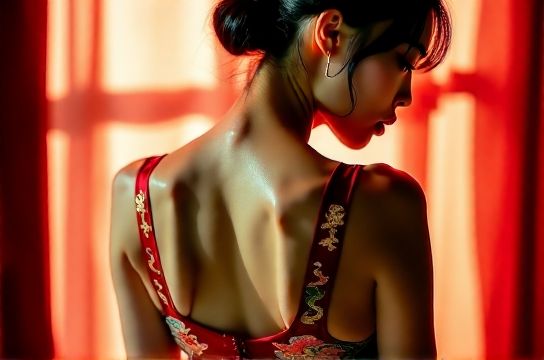
Yes, even in something as personal as underwear, ancient China embedded cultural wisdom. From imperial concubines to modern brides, the designs worn close to the skin were never just about aesthetics—they were talismans of luck, love, and longevity.
The Hidden Language of Silk: What Your Lingerie Says
In classical Chinese culture, clothing—especially intimate garments—was layered with symbolic intent. Every pattern had a purpose. Peonies for prosperity, phoenixes for feminine grace, dragons for power (often paired with phoenixes to symbolize marital harmony), and bats (yes, really!) for good fortune—because the word for bat, fu, sounds like “blessing.”
Colors mattered just as much. Red wasn’t just bold—it was essential. Associated with joy and protection against evil spirits, red lingerie was (and still is) a staple in bridal trousseaus. Gold threads? They whispered wealth. Pink spoke of romance. Even the fabric choice carried weight: silk for purity and status, satin for smoothness and sensuality.
Decoding the Motifs: A Guide to Meaningful Designs
Let’s break down some of the most iconic patterns found in traditional Chinese lingerie and their deeper meanings:
| Motif | Symbolic Meaning | Cultural Context |
|---|---|---|
| Peony | Prosperity, honor, feminine beauty | Known as the “king of flowers,” often worn by noblewomen |
| Double Happiness (囍) | Marital bliss, union | Essential in wedding lingerie across generations |
| Phoenix | Grace, virtue, yin energy | Paired with dragon to represent balanced marriage |
| Bats (Fu) | Good fortune, happiness | Five bats = the Five Blessings: health, wealth, virtue, love of virtue, and long life |
| Lotus | Purity, rebirth, elegance | Symbolizes rising above adversity, often in spiritual contexts |
This isn’t just decoration—it’s wearable philosophy. Imagine slipping into a nightgown embroidered with twin mandarin ducks, a classic symbol of lifelong partnership. That’s not fashion. That’s intention.
From Palace to Present: The Evolution of Symbolic Lingerie
Back in the Qing Dynasty, innerwear for elite women featured delicate embroidery with precisely chosen symbols. These weren’t meant to be seen by others—but the wearer knew they carried protective, auspicious energy.
Today, designers are reviving these traditions. Brands like Shanghai Tang and Ms MIN blend vintage motifs with contemporary cuts, creating lingerie that honors heritage while feeling modern. And it’s catching on globally—Western brides are increasingly choosing red silk bras or robes embroidered with peonies for their weddings, drawn to the romantic symbolism.
A 2023 survey by Lingerie Insight Asia found that 68% of Chinese women aged 25–40 prefer intimate wear with cultural elements, citing emotional connection and identity as key drivers.
Why This Matters Now
In a world of mass-produced basics, symbolic lingerie offers something rare: depth. It turns private moments into rituals, self-care into storytelling. Whether you’re wearing a phoenix-patterned bralette or a red silk chemise with shuangxi (double happiness), you’re carrying forward centuries of belief—in love, luck, and the quiet power of beauty with meaning.
So next time you shop for lingerie, ask: what does this design say? Because in Chinese tradition, what you wear next to your skin isn’t just fabric—it’s fate, stitched in silk.