The Cultural Influence Behind Chinese Lingerie Brand Identity
- 时间:
- 浏览:171
- 来源:CN Lingerie Hub
If you've been scrolling through lingerie lately—especially on platforms like Taobao, TikTok, or even Instagram—you might’ve noticed a quiet revolution. Chinese lingerie brands aren’t just copying Western aesthetics anymore. They’re rewriting the rules, blending tradition with modern sensuality in ways that feel deeply personal and culturally rich. As someone who’s followed fashion trends across continents, I can tell you: this shift isn’t accidental. It’s strategic, emotional, and powered by cultural pride.
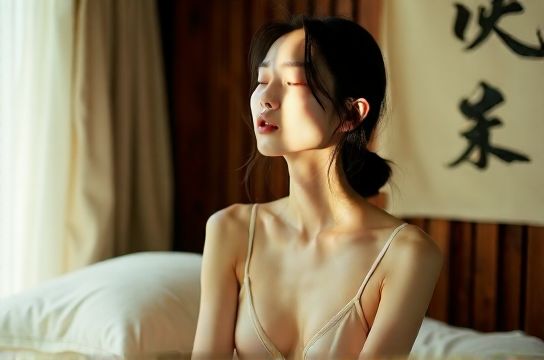
Let’s break it down. What makes Chinese lingerie brands stand out now isn’t just fabric or fit—it’s identity. While Victoria’s Secret leaned into fantasy, Chinese brands like NEIWAI内外 and Ubras are leaning into feeling. Comfort, self-expression, and subtle elegance are their mantras. And guess what? It’s working.
The Data Doesn’t Lie
Check out this comparison of key market players in China’s intimate apparel sector:
| Brand | Founded | 2023 Revenue (CNY) | Core Message |
|---|---|---|---|
| NEIWAI内外 | 2012 | 1.8 billion | Comfort meets everyday beauty |
| Ubras | 2016 | 1.5 billion | No-wire freedom, body positivity |
| Maniform | 1999 | 800 million | Traditional roots, modern fit |
| Victoria's Secret (China) | 2001 | 600 million | Fantasy, glamour |
Notice something? The top local players are doubling down on authenticity. NEIWAI, for example, built its brand around the idea of “inner vs. outer beauty”—a concept rooted in Daoist philosophy. That’s not just marketing; it’s cultural storytelling.
Why Tradition Sells Now
Young Chinese consumers, especially Gen Z, crave meaning. They’re less impressed by supermodels in wings and more moved by campaigns showing real women, diverse bodies, and quiet confidence. Brands like NEIWAI use soft hues—muted pinks, jade greens, ink blacks—that echo traditional Chinese art. Even packaging draws from calligraphy and silk motifs.
It’s not about rejecting the West. It’s about reclaiming identity. When Ubras launched its “No Body is Nobody” campaign, it went viral—not because it was flashy, but because it felt true.
What This Means for Global Fashion
If you're in fashion—even peripherally—this shift should matter to you. Chinese lingerie isn’t just a regional trend; it’s a blueprint for how culture can drive innovation. While Western brands struggle with inclusivity, Chinese labels are building it into their DNA from day one.
So, whether you're a shopper, a marketer, or just curious about where fashion’s headed—pay attention. The future of lingerie isn’t just sexy. It’s soulful.