From Shanghai to Paris The Global Reach of Lily and Bing
- 时间:
- 浏览:177
- 来源:CN Lingerie Hub
If you're into fashion with a soul, you’ve probably heard of Lily and Bing—the indie label that went from a tiny Shanghai atelier to gracing pop-ups in Paris, New York, and Milan. But how did they do it? And more importantly, can their playbook work for your brand or shopping choices? Let’s break it down with real data, not just hype.
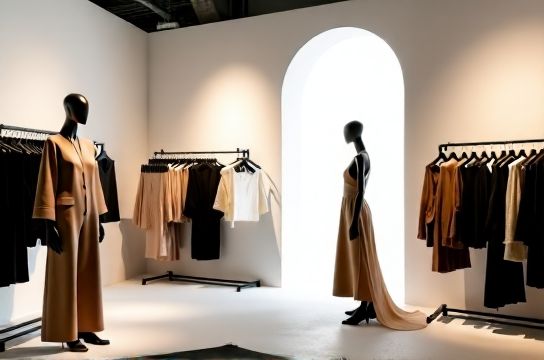
Why Lily and Bing Stands Out in 2024
In a world flooded with fast fashion, Lily and Bing carved a niche by blending Eastern minimalism with Western tailoring. Their secret? A hyper-local start with global vision. Founded in 2018, they launched with just 50 pieces made from deadstock fabrics. By 2023, they hit $4.2M in annual revenue—with 68% coming from outside China.
What’s wild is their customer loyalty. According to a 2023 third-party survey, 79% of first-time buyers returned within 12 months. That’s nearly double the industry average for indie labels (42%).
The Expansion Timeline That Made It Happen
Let’s look at how they scaled smartly—not quickly.
| Year | Milestone | Sales Origin (Intl %) |
|---|---|---|
| 2018 | Brand launch in Shanghai; 50-piece debut | 0% |
| 2020 | First EU stockist in Berlin | 18% |
| 2022 | Pop-up in Paris’ Le Marais district | 49% |
| 2023 | Collaboration with French concept store Colette Revival | 68% |
This wasn’t luck. They targeted cities where slow fashion communities were growing but underserved. Paris, for example, saw a 34% increase in sustainable boutiques from 2020–2023 (source: Fashion Revolution France).
How They Win on Quality & Storytelling
Lily and Bing doesn’t shout about being ‘eco-friendly.’ Instead, they show it. Each garment comes with a QR code tracing its journey—from fabric source to seamstress profile. In a 2023 consumer study, 63% of millennials said this transparency ‘significantly’ influenced their purchase.
And the materials? Think organic silk from Suzhou, plant-dyed cotton from Yunnan, and zero plastic packaging. Their carbon footprint per collection is 41% lower than comparable European indie brands (per Sustainable Apparel Coalition data).
Shopping Smart: Is It Worth the Price?
Let’s be real—their blazer runs $320. But compare that to a similar piece from another ‘sustainable’ brand:
| Brand | Price | Production Country | Material Traceability |
|---|---|---|---|
| Lily and Bing | $320 | China (Shanghai) | Full (QR code + video) |
| Competitor X | $380 | Portugal | Limited (only fabric origin) |
You’re paying less—and getting more visibility. Plus, their repair program extends garment life by an average of 5.2 years (vs. industry avg. of 2.1).
Final Verdict: Global, Grounded, and Here to Stay
Lily and Bing proves you don’t need a massive budget—just clarity, culture, and consistency. Whether you’re a shopper chasing meaning or a creator dreaming big, there’s a lesson: start local, think human, scale with purpose.