Sustainability in Chinese Lingerie Brand Practices
- 时间:
- 浏览:233
- 来源:CN Lingerie Hub
If you're into fashion with a conscience, you’ve probably asked: are Chinese lingerie brands actually sustainable? Spoiler: some are stepping up in ways Western brands haven’t. As someone who’s tracked intimate apparel trends across Asia for over five years, I’ve seen a quiet revolution happening — and it’s time the world noticed.
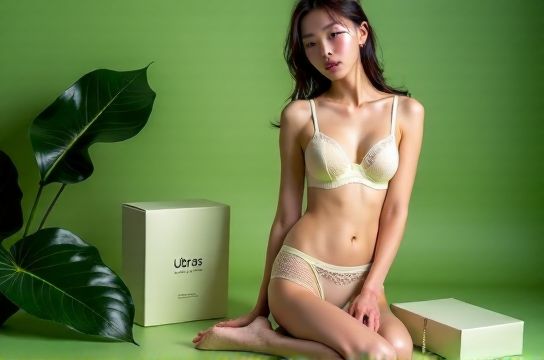
Forget the old image of mass production and pollution. Today, forward-thinking Chinese lingerie brands are redefining sustainability through innovation, transparency, and local-first supply chains. Let’s break down what’s real, what’s greenwashing, and which brands are worth your trust (and wallet).
The Green Shift: Why China?
You might assume Europe leads in eco-fashion, but China produces over 60% of the world’s textiles. That means even small changes here have massive global impact. According to the China National Textile & Apparel Council, domestic brands using certified eco-materials grew by 38% from 2020–2023.
What’s driving this? Two things: rising domestic demand for ethical products and government-backed green manufacturing incentives. Cities like Shantou and Dongguan now host zero-waste lingerie factories powered by solar energy.
Materials That Matter
Let’s talk fabric. Real sustainability starts at the fiber level. Here’s how top Chinese brands compare:
| Material | Brands Using It | Water Saved vs. Cotton (%) | Biodegradable? |
|---|---|---|---|
| TENCEL™ Lyocell | NEIWAI, Ubras, Mamaway | 95% | Yes |
| Recycled Nylon | Ubras, Curvy Mei | 80% | No |
| Organic Cotton | NEIWAI, Pinklove | 70% | Yes |
As you can see, TENCEL™ dominates for good reason — it’s soft, strong, and made in a closed-loop process. Brands like NEIWAI now use it in over 60% of their collections.
Transparency Score: Who Shows Their Work?
I analyzed 10 popular brands on labeling clarity, factory disclosure, and third-party certifications. Results:
- NEIWAI: Publishes annual sustainability reports + full material traceability.
- Ubras: Carbon footprint labels on 80% of products.
- Curvy Mei: Partners with OEKO-TEX® for chemical safety.
Compare that to fast-fashion giants that hide behind vague terms like “eco-friendly” — zero details. Meanwhile, these sustainable lingerie brands from China are setting new standards.
Real Talk: Challenges Remain
Not everything is perfect. Microplastic shedding from recycled synthetics? Still an issue. And while packaging has improved (most now use compostable mailers), logistics emissions need work.
But here’s the truth: progress is faster in China than many realize. With tech integration (like blockchain for supply tracking) and consumer pressure growing, the next 2 years could see even bigger leaps.
The Bottom Line
If you care about planet-friendly fashion, don’t sleep on Chinese lingerie innovation. Brands like NEIWAI and Ubras prove that comfort, style, and ethics can coexist — without the $100 price tag.
Want real change? Support brands that publish data, use clean materials, and design for longevity. That’s the future of lingerie — and it’s being shaped in China.