The Role of Culture in Chinese Lingerie Collections
- 时间:
- 浏览:184
- 来源:CN Lingerie Hub
When you think of lingerie, Paris or Milan might come to mind first. But guess what? China's lingerie scene is rising fast — and it’s not just about lace and silk. It’s a cultural revolution stitched into every seam.
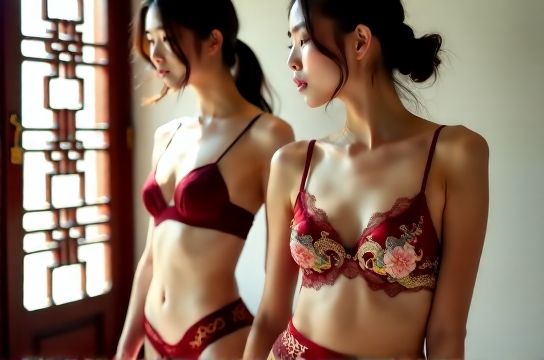
Chinese lingerie brands are no longer copying Western trends. They’re blending tradition with modernity, creating pieces that speak to identity, heritage, and empowerment. From qipao-inspired silhouettes to embroidery rooted in ancient symbolism, culture isn’t just an influence — it’s the foundation.
Take the color red, for example. In Western markets, red lingerie screams passion — but in China, it’s deeper. Red symbolizes luck, prosperity, and celebration. Brands like NEIWAI (内外) and Ubras use red not just for aesthetics, but as a cultural statement. During Lunar New Year, their limited-edition red sets fly off shelves — sales spike by up to 65% compared to regular months.
The Data Behind the Design
Let’s break it down. A 2023 report from iiMedia Research shows China’s intimate apparel market hit $28.7 billion, with local brands capturing over 40% share. That’s huge. And what’s driving this growth? Not just comfort or fit — it’s cultural relevance.
| Brand | Cultural Element | Market Share (2023) | Yearly Growth |
|---|---|---|---|
| NEIWAI | Minimalist design, Taoist philosophy | 18% | 22% |
| Ubras | Feminine empowerment + traditional motifs | 15% | 30% |
| Maniform | Modern twist on qipao lines | 12% | 14% |
| Venezia | Inspired by Suzhou embroidery | 8% | 19% |
See the pattern? The more culturally grounded the brand, the faster it grows. NEIWAI, for instance, built its identity around the idea of “inner vs. outer” — a nod to Daoist balance. Their campaigns feature real women, diverse body types, and quiet confidence. No flashy glamour, just authenticity. And consumers eat it up.
Then there’s the fabric game. While Victoria’s Secret pushes push-ups and padding, Chinese brands are going soft. Literally. Modal, bamboo fiber, and lotus silk — materials inspired by nature and TCM (Traditional Chinese Medicine) principles — dominate. Why? Because wellness is part of beauty here. It’s not just how you look; it’s how you feel.
And let’s talk about the elephant in the room: modesty. Unlike Western lingerie, which often emphasizes seduction, Chinese designs focus on self-expression and comfort. A 2022 survey found that 68% of Chinese women aged 18–35 prefer ‘invisible’ bras for daily wear — seamless, wireless, barely-there. It’s not about hiding; it’s about freedom.
But don’t think it’s all subtle. When cultural pride kicks in, the designs get bold. Dragon motifs, phoenix embroidery, even calligraphy prints — these aren’t costumes. They’re wearable art. During festivals like Qixi (Chinese Valentine’s Day), limited-run sets featuring love poems stitched in silk thread sell out in minutes.
So what’s next? Global expansion. Ubras already has pop-ups in Tokyo and Paris. NEIWAI launched English-language content and Instagram campaigns targeting Asian diaspora communities. They’re not trying to be Western — they’re redefining what lingerie can be.
In the end, Chinese lingerie isn’t just clothing. It’s a story — one of heritage, healing, and quiet rebellion. And as more women embrace their roots while shaping their futures, these brands will keep stitching culture into every strap, every stitch, every whisper of fabric against skin.